
Conflict is one of the most predictable, and most poorly handled, leadership challenges in senior roles. The higher you progress, the more frequently you are required to navigate competing priorities, strong personalities, organisational politics and emotionally charged situations. Yet many leaders feel under-equipped to handle conflict in a way that strengthens relationships, protects performance and builds trust.
In this piece, our guest contributor and Associate at Life’s Work, Suzanna Tan shares a practical, experience-based perspective on how leaders can stop avoiding conflict, and instead turn it into a strategic advantage for their teams and organisations.
The cost of poorly managed conflict
Research commissioned by Acas estimated that workplace conflict costs UK employers £28.5 billion per year, averaging around £1,000 per employee. These figures include:
- Nearly 10 million people experiencing conflict, with around half reporting stress, anxiety, or depression
- Almost 486,000 annual resignations, costing £2.6 billion in recruitment and lost output
- 874,000 sick days, costing £2.2 billion
- Additional productivity losses estimated at ranging from £590 million to £2.3 billion for employees impacted by stress and anxiety
Beyond the commercial costs, there’s the impact on our mental health and wellbeing. Conflict can lead to stress, anxiety, depression, and physical symptoms such as headaches, sleep disruption or tension. Over time, it can erode self-esteem, reduce engagement and even affect our personal lives.
Conflict at work is normal
Differences in priorities, communication styles or values mean disagreements are inevitable. However, if you or your teams experience disagreements at work, conflict doesn’t have to be a problem. When handled well, it can be a catalyst for innovation, stronger relationships and improved performance.
Conflict is normal. Handling it well is what sets exceptional leaders and teams apart.
Step 1: Identify where conflict sits using the Healthy Conflict Triangle
The Healthy Conflict Triangle distinguishes between:
- Unresolved conflict: Tensions that remain unspoken, ignored or postponed, creating risk for escalation.
- Toxic conflict: Harmful interactions that damage relationships, wellbeing, and performance.
- Healthy conflict: Open, respectful dialogue that strengthens relationships and drives better outcomes.
For leaders, recognising which type of conflict is present is the first step towards effective intervention. Identifying it allows you to act proactively to support your teams before disagreements escalate into stress or dysfunction. Leaders who pause to assess the type of conflict before reacting are far more likely to support teams toward constructive outcomes.
Step 2: Build psychological safety and trust
Conflict can only be productive when people feel safe to express their opinions. Psychological safety is essential for Healthy Conflict, so that your teams know they can challenge ideas without fear of negative consequences. Leaders can cultivate this by:
- Modelling openness: Share your own reflections, mistakes or uncertainties to show and role model vulnerability as acceptable.
- Acknowledging different perspectives: Validate views even when you might disagree, and be open to exploring the reasoning behind them.
- Encouraging dialogue early: Address small disagreements before they escalate. Move from a debate approach where people compete to be right, to a dialogue approach where there is space to listen, voice opinions and respect each other, suspending decision-making until everyone and everything has been considered.
Strong stakeholder relationships are central to building this trust. Conflict is easier to manage when people feel a sense of belonging and support, whether through the stakeholders involved, other colleagues, mentors or sponsors who can provide different and various perspectives.
Step 3: Reflect, adapt and apply strategies
To handle conflict well at work well, it’s useful to reflect on what is happening, and then to adapt and apply the most appropriate approaches and strategies. There are numerous approaches to choose from when dealing with conflict and knowing which ones are best for you, your team or your situation can be challenging.
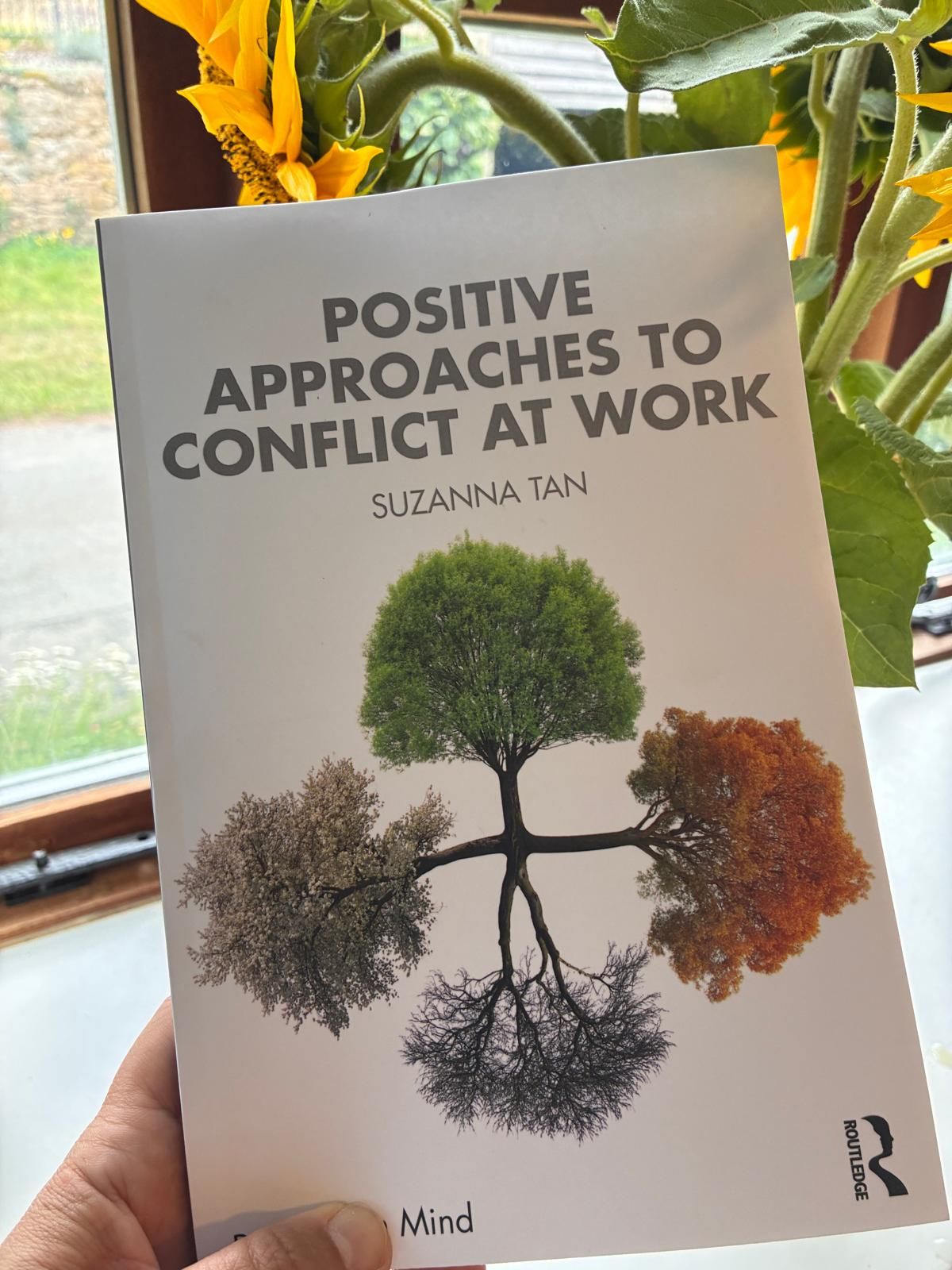
This led me to write Positive Approaches to Conflict at Work. The book explores why conflict is normal, how it shows up at work and how we can manage it. Working closely with one of my editors, Bob Thomson (Professor, Author, Executive Coach, Mediator and Associate at Life’s Work Consulting), we shaped a practical resource to equip you to navigate conflict at work, filled with case studies and exercises that help you:
- Reflect on your natural responses to conflict and why conflict may have occurred
- Analyse past experiences for lessons learned
- Experiment with alternative approaches
It’s also useful to take a step back and ask:
- What is really happening here?
- How are my reactions influencing others?
- How can I encourage this conflict towards productive outcomes?
Putting it into practice
Here is a summary of the three actionable steps leaders can implement immediately:
- Map the conflict landscape. Identify whether the conflict is healthy, unresolved, or toxic. Consider the stakeholders involved, the relationships at play, what is the conflict actually about and potential impacts on wellbeing and performance.
- Engage in early dialogue. Address conflicts proactively in a structured, respectful way. Invite input, focus on the issue rather than personalities, and set clear expectations for behaviour and outcomes.
- Reflect and experiment. Use past experiences to inform future action. Test new approaches, observe results, and adjust strategies as needed. Encourage team members to reflect on their own responses which will foster a culture of continuous learning.
Why this matters
Conflict is inevitable, and healthy conflict is good for organizations and their people. Leaders who develop awareness, foster trust and apply reflective practices can transform conflict into a source of insight and growth.
The stakes are high: unresolved or toxic conflict affects productivity, innovation, engagement and wellbeing. Leaders who act thoughtfully can reduce costs, retain talent, and create resilient, high-performing teams.
Positive Approaches to Conflict at Work provides leaders with a practical toolkit. It offers frameworks, case studies and exercises, for managing conflict within yourself, with another person, with groups or teams or organisations.
Available in bookstores and online such as at Routledge, Waterstones and Amazon. For bulk copies, please contact us at hello@lifesworkconsulting.com
If you or your team would like to handle conflict better, please get in touch to see how we can help.
References
Acas (2021). Estimating the costs of workplace conflict. Report by Professor Richard Saundry & Professor Peter Urwin.
Clarke, TT (2020). The Four Stages of Psychological Safety. Berrett-Koehlar Publishers.
Isaacs, W (2008). Dialogue: The Art of Thinking Together. The Crown Publishing Group
Tan, S. (2025). Positive Approaches to Conflict at Work. Routledge